Over 30 years on the sustainability journey!
sustainability at tampere hall
Tampere Hall is a pioneer in sustainability within the event industry. As the largest cultural and congress center in the Nordic region, we operate in an environmentally friendly, economically, and socially sustainable manner. As a Swan-labeled and carbon-neutral venue, we promote equality and well-being while providing responsible and unforgettable experiences. Tampere Hall’s tenant, Tampere Hall Ltd, is closely connected to the venue’s sustainability journey, actions, and innovations.
WE CARE ABOUT NATURE
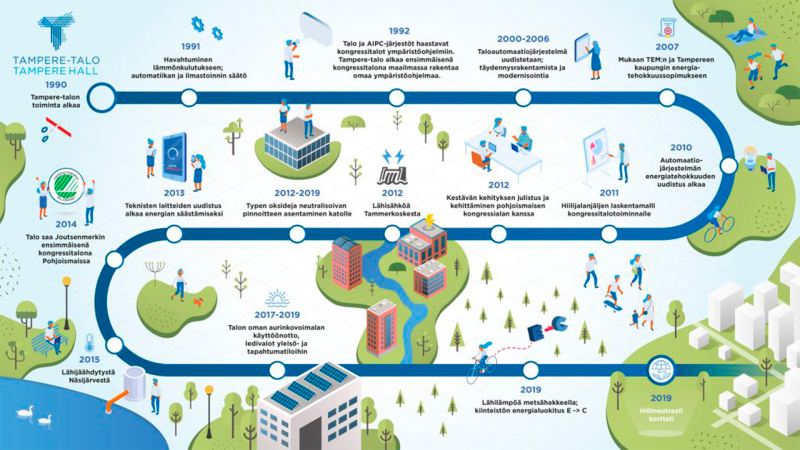
Tampere Hall is Finland’s first carbon-neutral congress and concert center in terms of energy use. We promote sustainable consumption, mitigate climate change, and lead the way in green actions within our industry. We carefully consider the environmental and social impacts of our operations, ensuring that our customers can also host events in a sustainable and responsible manner.
In 2019, Tampere Hall became a carbon-neutral property, and together with the Courtyard by Marriott Tampere City hotel, we form a carbon-neutral city block. Our journey in environmental actions began in 1991, and along the way, we have gradually transitioned to using renewable energy (2012–2019), earned the Swan Ecolabel (2014), and improved our energy class from E to C (2019). Over the years, we have made numerous environmentally friendly and energy-efficient upgrades to our property.
We believe in long-term commitment to sustainable development and will continue working for the benefit of our shared environment in the future.
In June 2022, Tampere Hall became the first Nordic congress center to receive approval for the Swan Ecolabel under the new criteria. We were first awarded the Swan Ecolabel in 2014, also as the first in our field. As a Swan-labeled congress center, we must meet strict environmental requirements and take a comprehensive approach to sustainability in areas such as energy, water, food, waste, chemicals, and procurement. Earning and maintaining the label requires efficient water use, serving sustainable food, using eco-labeled products and services, as well as training and engaging our employees.

The goal of the Swan Ecolabel is to promote sustainable development, which we strive for step by step. This means that the criteria for the label are tightened approximately every 3 to 5 years. The criteria are reviewed based on new environmental data, technological advancements, and market conditions. Renewing the label requires a critical review, concrete actions, and guidance for our own operations.
Information on criteria: Swan-labeled restaurants and congress centers
- Providing sustainable food that causes fewer environmental impacts: for example, plant-based meals and preferably locally produced ingredients. Endangered fish and seafood should be avoided, and palm oil should not be used in cooking oils.
- A large portion of the food and beverages served are organic.
- Energy and carbon dioxide reduction measures to limit climate change.
- Efficient water use.
- Effective sorting of materials to ensure recycling and sustainable use of natural resources.
- Food waste prevention.
- Ban on single-use products in daily service.
- Strict environmental requirements for single-use products in catering services, fast food restaurants, and takeaways.
- Limiting the use of unwanted chemicals by using eco-labeled products in cleaning, dishwashing, and laundry.
- Using a variety of eco-labeled products and services.
- Employee training and engagement in environmental work.
Tampere Hall is at step five of the Steps to Organic program. In our kitchen, at least 20 key ingredients are permanently used as organic products. Additionally, we use other organic products whenever possible.
Organic, or environmentally sustainable production, means that the food is produced in a high-quality and controlled manner, taking into account the well-being of the environment, animals, and people.
We were awarded the Sustainable Travel Finland label in April 2021. Sustainable Travel Finland is primarily a shared label and tool designed for international sustainable tourism marketing. As recipients of the label, we meet the criteria set by Visit Finland, which promotes tourism while considering economic, ecological, social, and cultural sustainability.
The goal of the label and its supporting development programme is to promote sustainable tourism in Finland, communicate more consistently about Finland as a sustainable travel destination, make it easier for travellers to make informed choices when planning their trips, and initiate and enhance sustainability-focused collaboration between municipalities, public sector organisations, regional tourism bodies, and businesses.
The Think Sustainable service is your guide to making more sustainable choices. The businesses and organisations featured in the service meet industry-specific sustainability criteria, making them more responsible options for both visitors to Tampere and local residents.

Tampere Hall and other businesses and organisations featured in the Think Sustainable service can be recognised by the red heart symbol.
Responsible solutions and innovations
Tampere Hall’s roof features over 7,000 m² of air-purifying coatings, known as roof mosses. Sunlight activates our coating, which, after several stages, transforms nitrogen oxides from traffic emissions into nitrates. The nitrate content of the water that is washed off the roof with rainwater is lower than that of mineral water. Our coating compensates for over 730,000 kilometres of car travel annually.
According to our calculations, the nitrogen oxide emissions generated from our employees’ annual commuting kilometres can be offset through the use of our roof coatings.
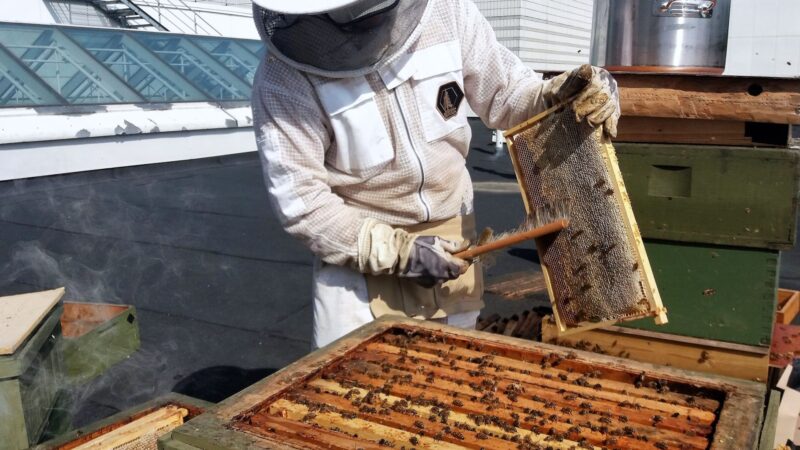
On the roof of Tampere Hall, there are four bee colonies. The first ones moved in May 2018, and two more colonies followed the very next year. Each colony has around 20,000 bees, and they can grow to up to 200,000 bees during the summer!
Our bees collect nectar from a radius of about two to three kilometres around Tampere Hall. One hive usually produces about 30 kilograms of honey, and we get especially good honey from the lime trees in the Kalevankangas area. The beehives are cared for by beekeeper Teemu Aittamaa from Korpikuusikon Hunaja.
Did you know?
Bee colonies are crucial for the environment, as bees are highly efficient pollinators. They help pollinate many plants, such as vegetables, fruits, and berries, which is essential for plant reproduction and crop production. Without bees, many plants wouldn’t be able to produce fruits or seeds, which would impact ecosystems and food production.
Bee colonies also promote biodiversity, as their pollination helps a wide range of plants grow and reproduce. Additionally, bees support the local food chain by providing food for animals that eat plants.
The presence and well-being of bees directly reflect the health of the environment, as they are a sign of ecosystem balance and nature’s resilience.
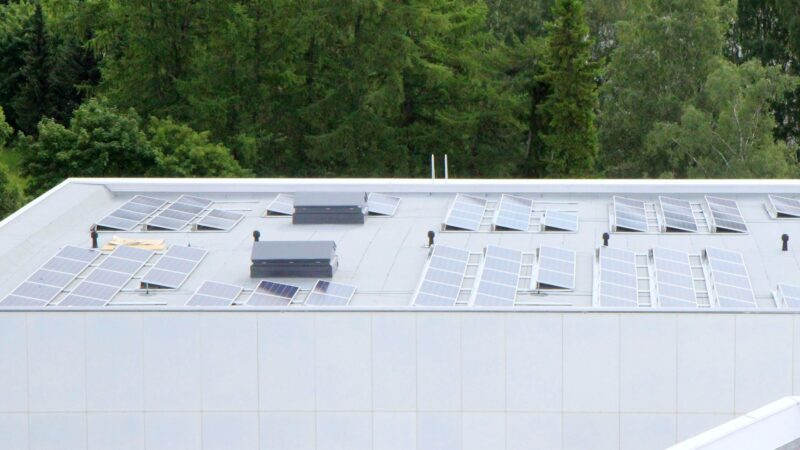
Tampere Hall has three solar power plants on its roof, which were completed in 2017, 2019, and 2021. The use of solar energy is one of the key solutions for our sustainable operations.
With the addition of the latest plant, the building now has a total of 514 solar panels. The combined emissions reduction from all three plants is approximately 18 tonnes of CO2 per year. The production from our solar panels covers about one month’s worth of our energy consumption, with the remaining electricity sourced as renewable local energy from Tammerkoski. Solar power also extends the growing season in the building’s rooftop garden greenhouse.
2023 output: 113.91 MWh
2024 output: 113.57 MWh
The cleanliness of Tampere Hall is maintained by our partner, SOL Palvelut. They use the ISO 14000 environmental management system, the latest eco-friendly cleaning methods and equipment, and Nordic Swan Ecolabelled products. Together, we are committed to the Ministry of the Environment’s Sustainable Development Commitment 2050 initiative. In cleaning, we use a lot of recycled materials, such as reusable sacks and mop bags, which are made from recycled plastic bottles.

Energy efficiency agreements are an important part of Finland’s energy and climate strategy and the primary means of promoting the efficient use of energy in Finland.
Tampere-talo Oy, as a limited company owned by the City of Tampere, is part of the energy efficiency agreement signed with the Ministry of Economic Affairs and Employment in 2007. The agreement primarily aims to improve energy efficiency, but it also includes goals and measures related to promoting the use of renewable energy.
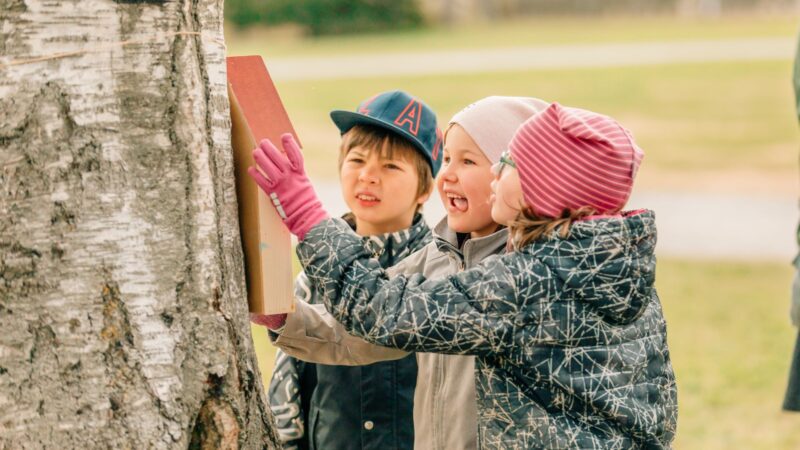
Tampere Hall is committed to supporting biodiversity through concrete actions – including right here in our own neighborhood, Sorsapuisto Park. Together with local kindergarten children, we have installed insect hotels in the park twice: first in summer 2022, when five hotels were placed, and again in summer 2025, when six new ones were added.
Collaborating with children brings joy, learning and participation to our sustainability work. At the same time, we support the wellbeing of local insects and the ecosystem services they provide.
🌿 Why insect hotels?
Pollinators such as bees and butterflies are vital for biodiversity. Insect hotels offer them places to nest and shelter, especially in urban environments where natural hiding spots are scarce. They also help maintain healthy pollination and a thriving urban ecosystem.
At Tampere Hall, we are deeply committed to environmental responsibility and preserving biodiversity. Small actions can make a big impact – and at best, they inspire the next generation to care for our shared environment.
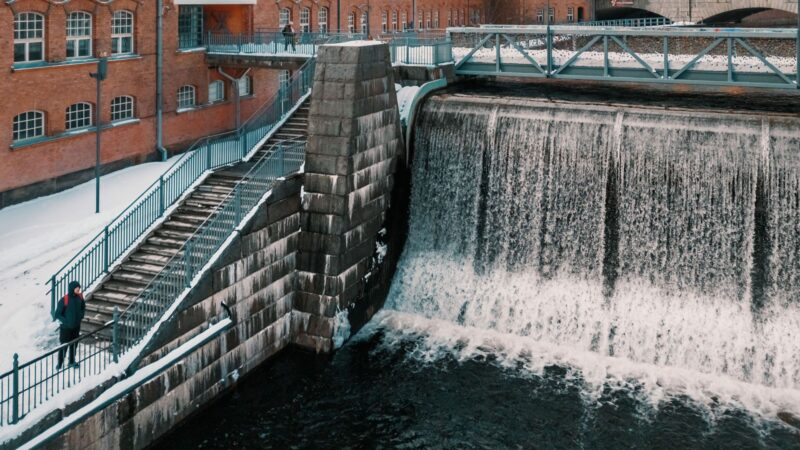
In addition to the electricity produced by our own solar power plants, we use only renewable energy produced by Tammerkoski.
Since 2015, we have been using local cooling, which is obtained from lake water sourced directly from the deep waters of Lake Näsijärvi.
Since 2019, we have been heated with certified wood chips.
In spring 2026, eleven nest boxes designed for common swifts were installed on the roof of Tampere Hall. The boxes were made in-house from surplus plywood from the woodworking workshop and from repurposed finger-jointed panel boards that had previously been part of an exhibition cabinet.
Common swifts naturally nest high up in the upper parts of buildings, which means that the roof of Tampere Hall provides a suitable environment for the species. The boxes were installed before the swifts’ spring migration so that they would be ready when the birds returned in early May.
Expert support was provided by the Pirkanmaa Ornithological Society. Together with the society, Tampere Hall’s building and site were assessed to identify a suitable location for the nest boxes. The boxes were built using detailed construction guidance provided by the society.
When placing common swift nest boxes, the key factors are safety and suitability for the species. The area in front of the entrance hole must be open, the box must be high enough, and the location must not expose the nest site to excessive heat. On south-facing walls in particular, high temperatures can pose a risk to nesting during hot summers.
Common swifts are faithful to their previous nesting sites, so it may take time for them to find new boxes. It is possible that the boxes will not be occupied during the first summer. Tampere Hall’s sustainability team will monitor the situation annually, and if the boxes are occupied, more nesting sites may be added in the future where possible.
The project was carried out as part of the City of Tampere’s LUMO programme.
Carbon Sinks – Tangible Actions for a Sustainable Future
Tampere Hall and Talo Events are committed to sustainability – not just in words, but through concrete action. One of the most impactful examples of this is our own carbon sink programme: long-term tree planting on areas that would not naturally reforest. These carbon sinks capture carbon dioxide from the atmosphere and help both us and our clients reduce the environmental impact of events.
Our clients can offset their event-related emissions by supporting tree planting – either through automatic compensation included in event services or by purchasing additional offsets. For every event held at Tuulensuu Palace, two saplings are automatically planted. Our partner in this initiative is Puuni Oy, a company specialising in carbon sink solutions, and the permanence of these forested areas is secured through long-term agreements.
Kovalansuo, Mikkeli
In 2025, Tampere Hall expanded its carbon sink operations to Kovalansuo in Mikkeli, a former peat production site now being reforested with birch and pine. This new carbon sink will remain protected for at least 100 years, mirroring the long-term approach of our earlier project.
The Kovalansuo sink enables our clients to continue organising carbon-neutral events, with measurable impact on both the environment and sustainability reporting.
Mesikämmenpuisto, Lempäälä
Our first carbon sink was established in 2020 in Kulju, Lempäälä, on a 1.9-hectare site where 2,660 trees – alder, pine, and silver birch – were planted on land that would not have naturally reforested. This makes the project truly additional in terms of carbon offsetting.
In 2025, the planting goal was reached. Over the next 100 years, the area will absorb up to 1,000 tonnes of carbon dioxide – the equivalent of 250 flights to New York or over five million kilometres driven by car. The forest’s preservation is guaranteed by an agreement with the municipality of Lempäälä: no logging will take place during the entire 100-year period.
Working Together Towards Carbon-Neutral Events
Carbon sinks are part of our comprehensive sustainability programme, aimed at making events more environmentally friendly. At the same time, they offer our clients a transparent and credible way to contribute to climate action – one tree at a time.
We use the new Nordic Swan Ecolabelled probiotic cleaner, Kiilto Pro Universal Probio (2023). Probiotic cleaning differs from traditional cleaners in that it not only cleans surfaces but also leaves beneficial microbes behind. The probiotic microbes remain on the surfaces after cleaning and continue to remove dirt and odors even between cleaning sessions. Through natural enzymatic processes, probiotics break down dirt into smaller particles, making future cleaning easier.
We sort all the waste generated in the building. About 40% of it is recycled, and the rest is used for other purposes. We pay attention to waste generation even at the stage when we purchase food and products.
Our energy waste is sent to an incineration plant, where it is converted into new heat and electricity for the Pirkanmaa region. Our organic waste is turned into compost.
Around one-third of the environmental impact caused by consumption comes from food. Tampere Hall’s restaurant operations use the Biovaaka Pro service, where all food waste is weighed, and the reports generated by the system are reviewed regularly.
Reducing food waste is evident throughout the entire supply chain, starting with how we purchase food and raw materials. Organic waste is the most expensive type of waste, so reducing waste is also financially responsible.
In a traditional kitchen, a significant amount of energy is wasted due to grease issues in the ventilation ducts. Thanks to our ozone system, we can utilize a rotating heat recovery system with the highest heat recovery percentages.
By ozonizing our restaurant’s grease ducts, the grease in the exhaust air is broken down, the fire risk is eliminated, and the need for chimney sweeping is reduced. This also allows for heat recovery, as the air from the grease ducts is cleaned and made suitable for the heat exchanger. Our system significantly reduces the amount of odors and fumes being expelled outside.
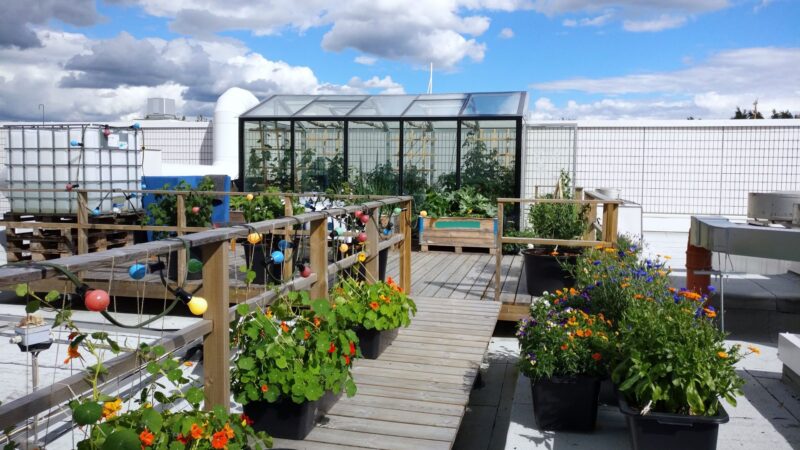
In 2016, we installed a garden made of cultivation boxes and a 20 m² greenhouse on the roof of Tampere Hall, which produces a plentiful harvest for our restaurants. The greenhouse, built in collaboration with Hämeen Lasitoimi, is constructed from insulated glass elements, whose advanced structure promotes plant well-being in the sun-exposed location and keeps the cool air at bay. The greenhouse is also equipped with a solar-powered air source heat pump, which extends the growing season from early April to October.
In our rooftop garden, we grow real local food: vegetables, berries, and other useful plants, which we use, among other things, in our restaurant Tuhto.
Our rooftop garden project involves the following partners: ISKU, Alasen Rakennus Oy, Timgrey Oy, Sika Finland, Kv-Group Oy, Biolan, and Hämeen Lasitoimi Oy.
Sustainable development is integrated into everything we do, including tissue paper. We use Metsä Tissue’s tissue paper products, all of which are made from certified or controlled wood sources and come from responsibly managed renewable forests. The products are manufactured in compliance with ISO 9001, ISO 14001, and ISO 22000 quality and environmental management systems. The products also carry the Nordic Swan Ecolabel.
Our customers can refill their water bottles at water points throughout the building, marked with a symbol. These water points are located in the building’s restrooms. In public areas and lobbies, there are water dispensers equipped with eco-friendly, 100% biodegradable drinking cups.
Our building is equipped with water-saving technologies, such as waterless urinals, flow-restricting valves, and electronic taps to reduce water consumption.
WE CARE ABOUT PEOPLE

Our mission is to create well-being, togetherness, and connections. Responsible events mean equal treatment and service for all customers and target groups.
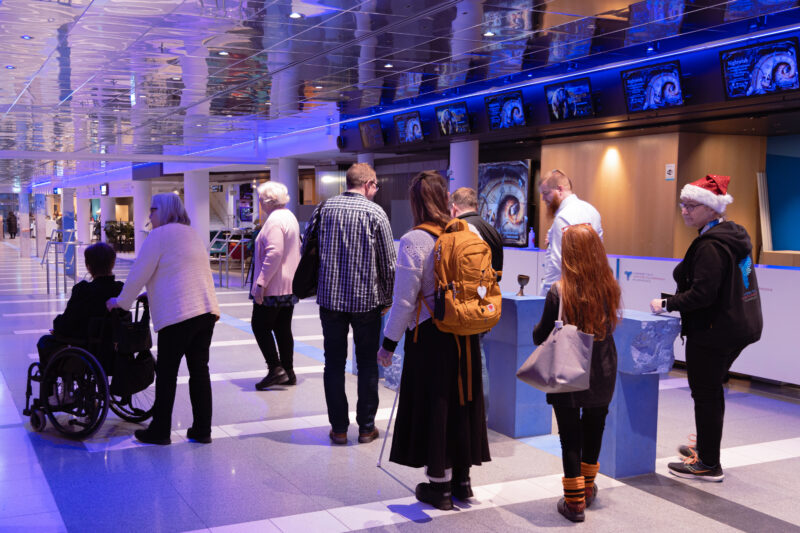
All of our meeting and public spaces are fully accessible. Our staff is trained to assist and guide customers with mobility and sensory impairments, ensuring everyone feels welcome and well served. At our events, there is also the opportunity to provide feedback on accessibility and safety, either through feedback surveys or our website. We take all feedback into account and always investigate any potential issues.
Equality is important to us in everything we do. In our cultural program, we ensure that the gender balance of performers is fair, promoting equality on stage as well. Our equality and non-discrimination plan has been developed collaboratively, and its implementation is monitored together with our employees. Everyone among us can participate in developing the plan and ensure that everyone is treated equally.
We do not accept any form of harassment, discrimination, or inappropriate treatment. At Tampere Hall, everyone is welcome as they are.
The requirement for equality applies to Tampere Hall’s employees, partners, event performers, and participants.
We promise – will you promise too?
- Give everyone the opportunity to speak and be heard.
- Respect everyone’s personal physical and mental space as well as privacy.
- Avoid making assumptions based on a person’s appearance or behavior.
- Listen and learn by embracing new topics, people, and perspectives without prejudice.
- Apologize for any intentional or unintentional offense caused to others.
At Tampere Hall, we ensure that safety is always a top priority. We hold a security industry license issued by the Finnish Police Authority, and all of our custodians on duty have received training as security officers or guards. This guarantees that both our customers and staff are always ensured a high level of safety.
Actions to Promote Equality
At Tampere Hall, we want to offer cultural and event experiences for everyone, and considering special groups is an important part of our operations. That’s why we have created discounted ticket categories to support equal participation.
Discounted prices for special groups
We offer discounts for students, pensioners, unemployed individuals, conscripts, and veterans. Veterans are especially important to us, and we show our respect with discounts or free admission to selected events. Event-specific information can be found on our ticket sales page.
Free admission for assistants
We want to make participation in events as smooth as possible. If you are entitled to an assistant, your assistant can join for free. You can prove your entitlement, for example, with the EU Disability Card (with A-marking) or other similar documentation.
Tampere Hall is committed to supporting the community and promoting charity in various ways. It is important to us that we can give back to our community and support local initiatives. We provide ticket donations to various charitable organizations, ensuring that as many people as possible have the opportunity to participate in culture and events.
We also offer our venue spaces for charity purposes twice a year. This allows organizations and communities to organize their own events and raise funds for important causes without the cost of venue rental.
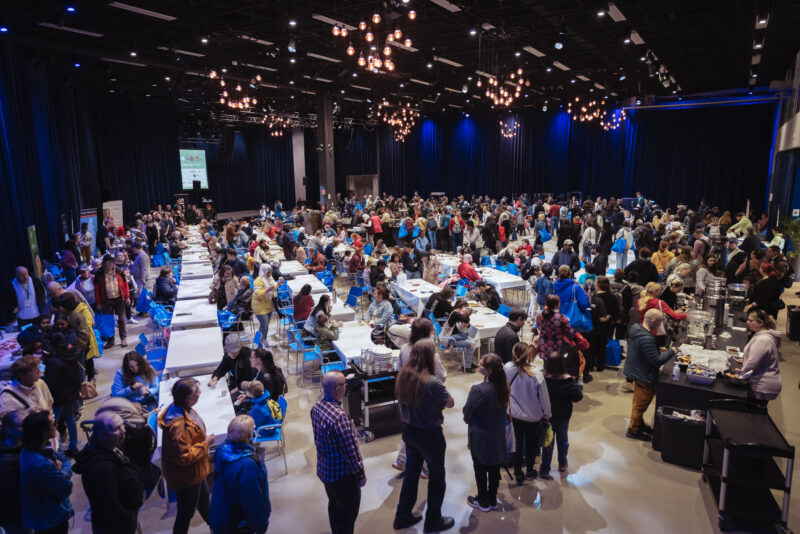
Loneliness affects more and more people, but the best antidote to it is culture experienced together.
Tampere Hall, LähiTapiola Pirkanmaa and TampereMissio have joined forces to ensure that the wellbeing benefits of culture are accessible to as many people as possible.
Through the Culture Companion initiative, TampereMissio’s clients and volunteers can experience Tampere Hall’s concerts together – free of charge. LähiTapiola Pirkanmaa makes this possible by providing tickets for both the participant and their culture companion, while Tampere Hall brings the concerts and shared experiences to the heart of the collaboration, enhancing inclusion and wellbeing.
The partnership is built on the belief that culture empowers, strengthens our sense of belonging, and brings joy to life. It offers meaningful experiences both for those seeking companionship and for volunteers who wish to share their time and support with others.
Would you like to become a Culture Companion or find support for loneliness? Read more and get involved via TampereMissio.



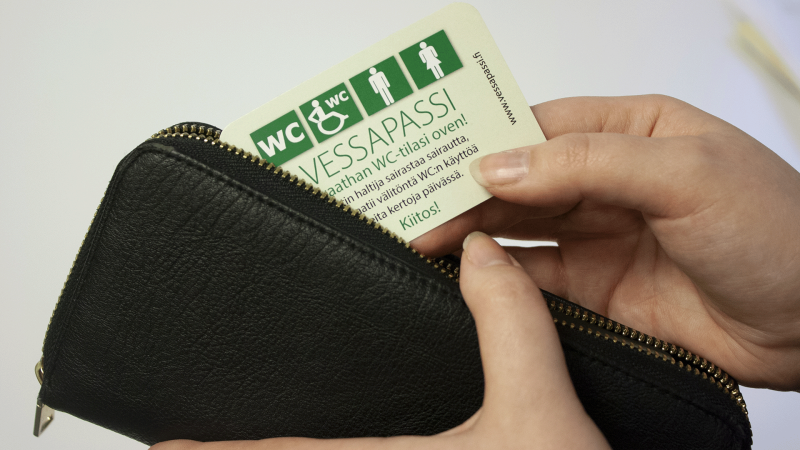
The Toilet Card helps people living with functional disorders of the bowel or bladder associated with certain illnesses. Some of the most unpleasant symptoms of these diseases can include functional disorders of the bowel or bladder, leading to dozens of bathroom visits a day. Those affected may be forced to stay near a restroom: when the urge strikes, there’s no time to search for a facility.
A person showing the card has an illness that requires prompt access to a restroom, such as bypassing a queue. Thank you for your consideration!
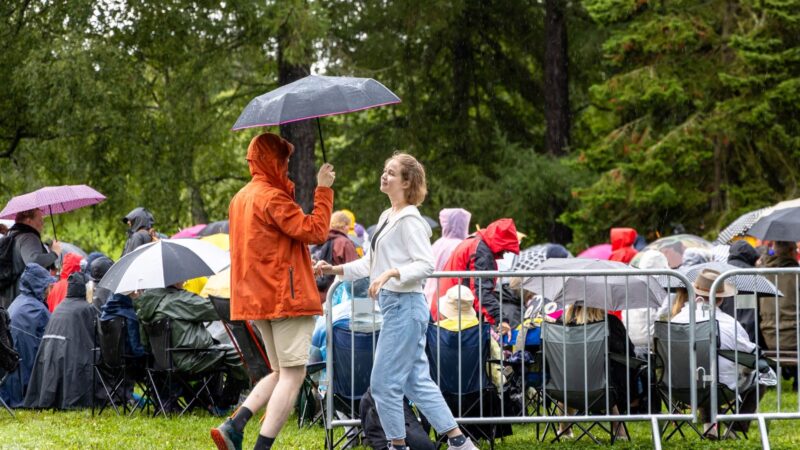
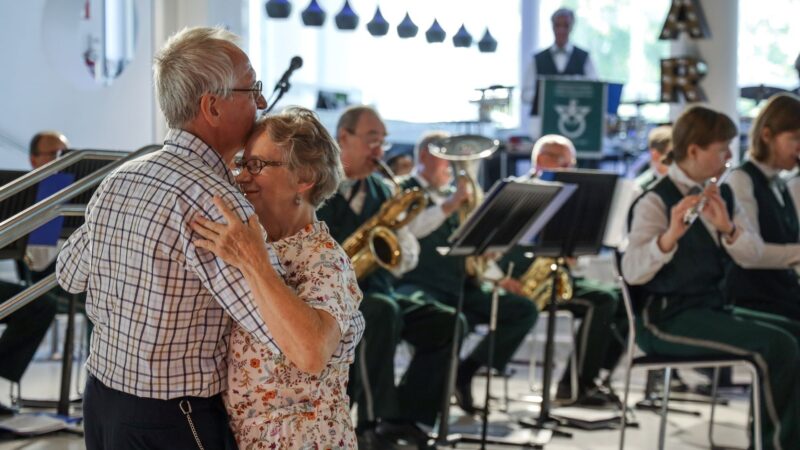
Together with our partners, we organize approximately one hundred free and low-threshold events every year. For example, the annual Park Concert reaches thousands of visitors, and the also free-of-charge Lobby Club provides a stage for discussions, matinee concerts, dance performances, and all kinds of culture. Additionally, the Winter Garden’s art exhibitions invite the public to explore the world of changing art displays for free.
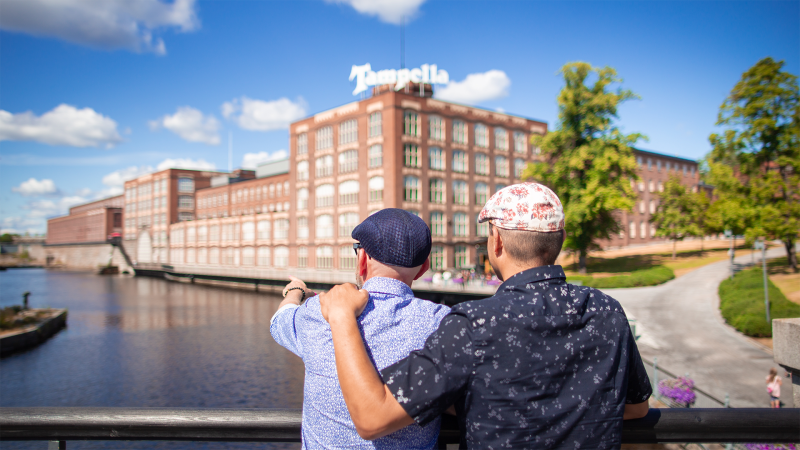
Tampere-talo joined the LGBT+ friendly We Speak Gay community in May 2022, with the aim of building a more inclusive, safer, and empathetic society for LGBTQ+ individuals in Finland.

By joining the We Speak Gay community, we have committed to year-round LGBT+ communication, which includes both internal and external messaging. Additionally, our staff has received training on sexual and gender diversity.
Sakari “Sakke” Lehto has enriched the Tampere Hall community for 15 years
Sakari Lehto, who has been part of the Tampere Hall staff for 15 years, delights everyone with his cheerful attitude and amazes the entire workplace with his incredible memory. “Sakke is the happiest guy in the world and remembers to ask every single morning how others are doing,” says Mika Mäki, Service Manager and Sakke’s supervisor for the past five years.
In Finland, only 500-600 people with developmental disabilities are employed in regular jobs, despite the fact that thousands have the qualifications and the desire to work – could there be a place for them in your company?
WE CARE ABOUT THE COMMUNITY
Tampere-talo is committed to sustainable financial practices that support the well-being of the region and create added value for the community. For us, financial responsibility means long-term business, employment opportunities, investments in culture, and societal impact. Our goal is to create economic well-being that also supports culture, sustainable development, and the vitality of the community.
Tampere Hall is committed to providing employment opportunities for special groups. For over 15 years, we have supported the employment of individuals with developmental disabilities, and this has become a part of our corporate culture. Responsible employment is a tangible part of our daily operations, supporting diversity and inclusivity in the workplace.
Tampere Hall generates approximately 50 million* euros annually in tourism and event revenues for the Tampere economic region. The economic impact is not limited to just hosting events, but also strengthens local businesses and tourism. Our events attract hundreds of thousands of visitors and enhance the city’s visibility, supporting the region’s long-term economic development.
*) The figure is based on studies conducted by Salmi Analytics (2022–2023) as well as a study conducted by Synergos (2018) and the re-evaluated figure derived from it.
We employ a wide range of freelancers in the cultural sector, artists, and professionals in the creative field who enrich our events. Collaboration with our partners also enables employment in other sectors, such as restaurant, cleaning, and technical work. We also offer opportunities for work experience and internships to students and schoolchildren, allowing them to gain valuable experience in the cultural sector and event production.